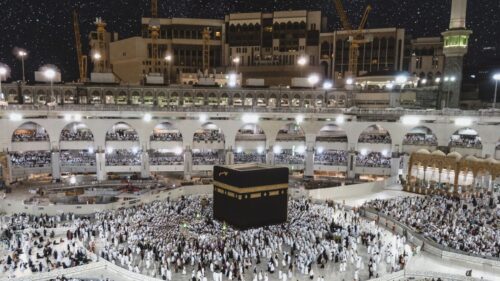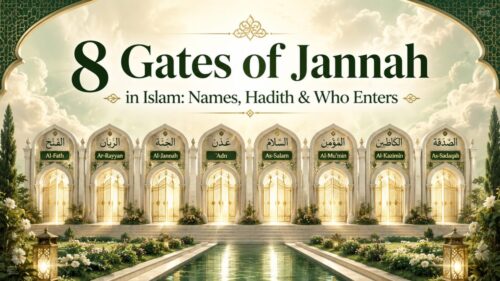


The Day of Arafah — also written Arafat — is the ninth day of Dhul Hijjah, the twelfth month of the Islamic lunar calendar. It is the day on which Allah completed the religion for the believers, the day on which pilgrims stand at the plain of Arafah and supplicate from noon until sunset, and one of the few days of the year on which the Prophet ﷺ explicitly promised the forgiveness of two years of sins for those who fast it.
This guide covers the date and timing of the Day of Arafah, the rites the pilgrims observe at the plain of Arafah, the Quranic verse revealed on this day, the four authenticated practices that capture its rewards for those not on Hajj, the Prophet’s ﷺ teaching on the best dua of the day, and a frequently-asked-questions section that answers the most common reader queries about fasting, the eve of Arafah, and the link between Arafah and Eid al-Adha.
When Is the Day of Arafah?
The Day of Arafah falls on the ninth day of Dhul Hijjah — the twelfth and final month of the Islamic lunar (Hijri) calendar. Because the Islamic calendar follows the moon, the corresponding Gregorian date shifts by about eleven days each year and is confirmed only after the new crescent of Dhul Hijjah is sighted.
The day immediately before Arafah is the eighth of Dhul Hijjah, known as Yawm at-Tarwiyah (“the day of giving water to drink”), when pilgrims move from Makkah to Mina to begin the rites of Hajj. The day immediately after Arafah is the tenth of Dhul Hijjah — Eid al-Adha, the day of sacrifice. The Day of Arafah is therefore the central day in a three-day arc that runs from the rites at Mina through the standing at Arafah to the day of sacrifice.
For Muslims outside Saudi Arabia, the Day of Arafah is conventionally observed on the same Hijri date as in Makkah. Many scholars accept that the fast may be kept either following the local moonsighting or following the announcement from Makkah; both views are well-attested in classical fiqh.
Why the Day of Arafah Matters: The Verse of Completion
The Day of Arafah is the day on which Allah revealed one of the most quoted verses of the Quran: the verse of the completion of the religion. The Prophet ﷺ was standing at the plain of Arafah during his Farewell Hajj when Surah Al-Ma’idah 5:3 was revealed:
“This day I have perfected for you your religion and completed My favour upon you and have approved for you Islam as religion.” — Surah Al-Ma’idah 5:3.
Umar ibn al-Khattab once said to a Jewish man who remarked that if such a verse had been revealed to the Jewish community they would have taken its anniversary as a festival: “By Allah, I know the day on which that verse was revealed to the Messenger of Allah ﷺ — it was on the Day of Arafah, on a Friday” (Sahih al-Bukhari 45). The Muslim community already had two festivals attached to that revelation: the Day of Arafah and the Day of Eid that immediately follows it.
Key takeaways:
- The Day of Arafah is the ninth day of Dhul Hijjah — the central day of Hajj and the day immediately before Eid al-Adha.
- Hajj is Arafah: the Prophet ﷺ said the standing at Arafah is the defining rite of the pilgrimage (Sunan Abi Dawud 1949; Jami’ at-Tirmidhi 889).
- For Muslims not on Hajj, fasting Arafah expiates two years of sins — the past year and the coming year (Sahih Muslim 1162).
- The Prophet ﷺ named the best dua as the one made on Arafah: “La ilaha illa Allah, wahdahu la sharika lah, lahu’l-mulku wa lahu’l-hamd, wa huwa ‘ala kulli shay’in qadir” (Jami’ at-Tirmidhi 3585).
- It is the day on which Surah Al-Ma’idah 5:3 was revealed: “This day I have perfected for you your religion.”
What Hajj Pilgrims Do on the Day of Arafah
On the morning of the ninth of Dhul Hijjah, the pilgrims travel from Mina to the plain of Arafah, a wide open area about thirteen miles east of Makkah. There they spend the rest of the day in supplication, listening to the khutbah, and combining their Dhuhr and Asr prayers shortened and joined at the time of Dhuhr (a sunnah practice particular to Hajj). The standing (wuquf) at Arafah continues until sunset.
Related:

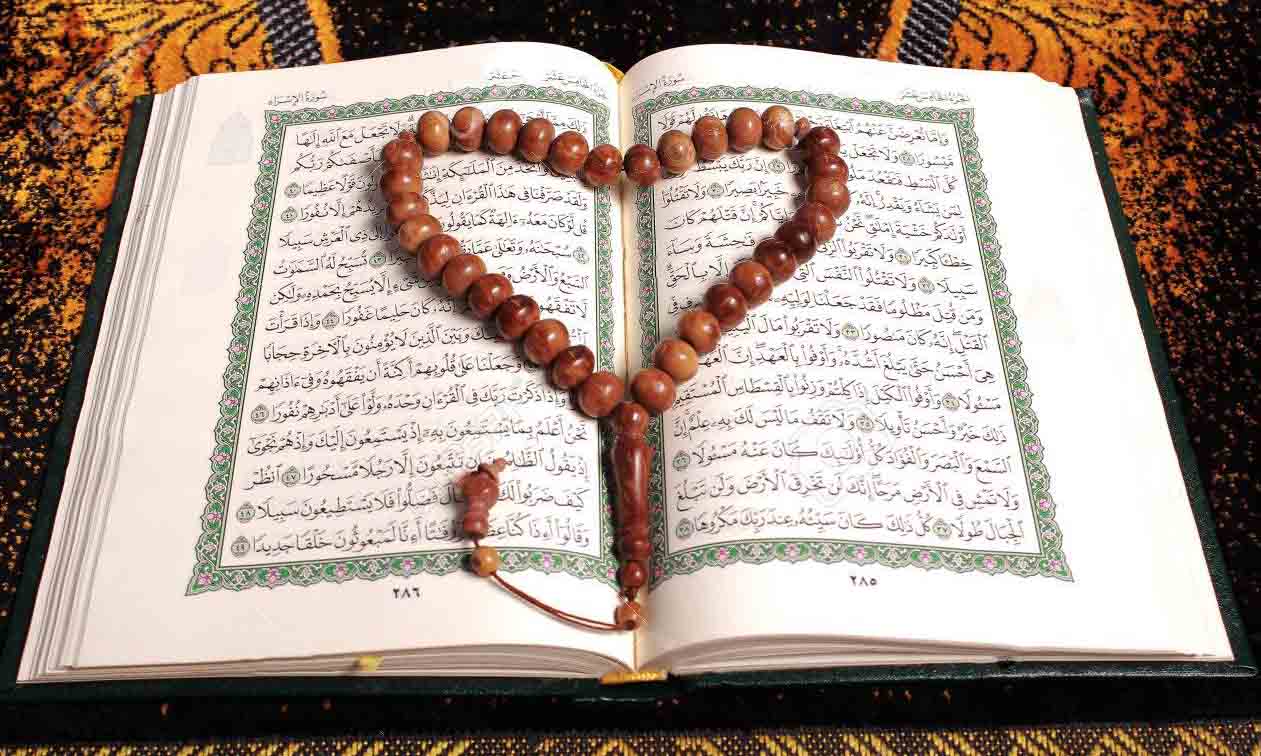

The Prophet ﷺ described this standing as the defining rite of Hajj:
“Hajj is Arafah.” — Sunan Abi Dawud 1949; Jami’ at-Tirmidhi 889 (graded Sahih).
The classical scholars read this hadith literally: the standing at Arafah is the one rite of Hajj that cannot be made up if missed. A pilgrim who fails to stand at Arafah within its window — from after the sun has crossed its zenith on the ninth until dawn of the tenth — has not completed Hajj that year, regardless of how many of the other rites they performed. Every other element of Hajj has some fiqh provision for being made up or compensated; the wuquf at Arafah does not.
At sunset, the pilgrims depart from Arafah and travel to Muzdalifah, where they pray Maghrib and Isha together (Maghrib shortened to three rak’ahs, Isha shortened to two) and sleep under the open sky, gathering pebbles for the rite of stoning at the Jamarat the next morning.
How to Gain the Benefits of Arafah if You Are Not on Hajj
Although the standing at Arafah is reserved for the pilgrims, the rewards of the day are open to every Muslim. The Sunnah names four practices in particular for those at home:
1. Fast the Day of Arafah
For Muslims not on Hajj, fasting Arafah is one of the most highly recommended fasts of the year. The Prophet ﷺ said:
“Fasting the Day of Arafah, I hope from Allah, expiates the sins of the year before it and the year after it.” — Sahih Muslim 1162.
The expiation in this hadith refers to minor sins; the major sins require sincere tawbah in their own right. The fast is not recommended for the pilgrims themselves — they are occupied with the supplications of the day — but is strongly encouraged for everyone else.
2. Repeat the Dua of Arafah

The Prophet ﷺ named one specific dua as the best supplication of the Day of Arafah:
لَا إِلَهَ إِلَّا اللَّهُ وَحْدَهُ لَا شَرِيكَ لَهُ، لَهُ الْمُلْكُ وَلَهُ الْحَمْدُ، وَهُوَ عَلَى كُلِّ شَيْءٍ قَدِيرٌ
La ilaha illa Allah, wahdahu la sharika lah, lahu’l-mulku wa lahu’l-hamd, wa huwa ‘ala kulli shay’in qadir.
“There is no god worthy of worship but Allah, alone, without partner. To Him belongs the dominion, and to Him belongs all praise, and He is over all things capable.”
“The best dua is the dua of the Day of Arafah, and the best of what I and the prophets before me have said is: La ilaha illa Allah, wahdahu la sharika lah, lahu’l-mulku wa lahu’l-hamd, wa huwa ‘ala kulli shay’in qadir.” — Jami’ at-Tirmidhi 3585 (graded Hasan).
3. Make Your Own Dua
Beyond the named dua of Arafah, the entire day is one of the most accepted hours for personal supplication. The Prophet ﷺ said:
“There is no day on which Allah frees more people from the Fire than the Day of Arafah. He draws near, then He boasts of them before the angels and says: ‘What do these want?’” — Sahih Muslim 1348.
This is the day to bring every petition, every concern, and every act of tawbah before Allah, whether or not one is fasting. Many believers set aside the late afternoon — the time when the pilgrims at Arafah are deepest in their supplication — for their own focused dua.
4. Make Dhikr in Abundance
The Prophet ﷺ said of the first ten days of Dhul Hijjah:
“There are no days greater in the sight of Allah, nor in which good deeds are more beloved to Him, than these ten days. So increase in them your tahlil, takbir, and tahmid.” — Musnad Ahmad 5446.
The four forms of dhikr most associated with these ten days — and especially with Arafah itself — are:
- Tahlil: La ilaha illa Allah — “There is no god but Allah.” (See: the meaning of the shahada.)
- Takbir: Allahu Akbar — “Allah is the Greatest.” (See: when and why Muslims say Allahu Akbar.)
- Tahmid: Alhamdulillah — “All praise is for Allah.” (See: the meaning of Alhamdulillah.)
- Tasbih: Subhanallah — “Glory be to Allah.” (See: why Muslims say Subhanallah.)
The Best Dua of the Day of Arafah
The hadith of Jami’ at-Tirmidhi 3585 quoted above is one of the most cited hadiths in the books on Hajj and on the supplications of the believer. The Prophet ﷺ described the dua — La ilaha illa Allah, wahdahu la sharika lah… — not only as the best supplication of Arafah but also as the best of what he and all the prophets before him had ever said. The classical commentators note two reasons for this praise:
- It is pure tawhid. The dua opens with the kalima of la ilaha illa Allah, affirms His oneness (wahdahu), denies any partner (la sharika lah), attributes to Him the dominion (al-mulk) and all praise (al-hamd), and closes with His power over everything (‘ala kulli shay’in qadir). It is the kalima expanded into a complete statement of belief.
- It is praise before request. Many believers approach dua by listing requests; the dua of Arafah opens with praise of Allah’s essence and attributes, which is the form the Prophet ﷺ taught is most pleasing to Allah.
Reciting this dua repeatedly throughout the day — from after fajr until sunset — is the practice of many believers who want to keep the tongue moist with the words the Prophet ﷺ named as the best.
Arafah and Eid al-Adha
The Day of Arafah is the day immediately before Eid al-Adha, the festival of sacrifice on the tenth of Dhul Hijjah. The two days form a single arc: Arafah is the day of standing, supplication, and forgiveness; Eid is the day of sacrifice, prayer, and feasting in gratitude for what was given on the day before.
From after the fajr prayer of Arafah until the asr prayer of the thirteenth of Dhul Hijjah (the last of the days of Tashriq), the sunnah is to recite the takbirat at-tashriq after every obligatory prayer:
اللَّهُ أَكْبَرُ، اللَّهُ أَكْبَرُ، لَا إِلَهَ إِلَّا اللَّهُ، وَاللَّهُ أَكْبَرُ، اللَّهُ أَكْبَرُ، وَلِلَّهِ الْحَمْدُ
Allahu akbar, Allahu akbar, la ilaha illa Allah, wa Allahu akbar, Allahu akbar, wa lillahi’l-hamd.
The connection between Arafah and Eid is also embedded in the verse of completion: “This day I have perfected for you your religion” was revealed on Arafah, and the day that follows is the festival in which the community celebrates that completion through the sacrifice that traces back to Prophet Ibrahim (peace be upon him).
Frequently Asked Questions
When is the Day of Arafah?
The Day of Arafah falls on the ninth day of Dhul Hijjah, the twelfth month of the Islamic lunar calendar. Because the Hijri calendar follows the moon, the corresponding Gregorian date shifts by roughly eleven days each year. The exact date is confirmed only after the new crescent of Dhul Hijjah is sighted in the relevant region.
What is the reward for fasting on the Day of Arafah?
The Prophet ﷺ said: “Fasting the Day of Arafah, I hope from Allah, expiates the sins of the year before it and the year after it” (Sahih Muslim 1162). The expiation refers to minor sins; major sins require sincere tawbah in their own right. The fast is recommended for everyone not performing Hajj. The pilgrims themselves do not fast on Arafah, because the day’s worship for them is the standing and supplication at the plain.
Why is the Day of Arafah so important in Islam?
The Day of Arafah is the day on which the Prophet ﷺ stood at the plain of Arafah during his Farewell Hajj and Allah revealed Surah Al-Ma’idah 5:3: “This day I have perfected for you your religion and completed My favour upon you.” The Prophet ﷺ also said that “Hajj is Arafah” — the standing at Arafah is the rite that, if missed, invalidates the pilgrimage that year (Sunan Abi Dawud 1949). And he ﷺ said: “There is no day on which Allah frees more people from the Fire than the Day of Arafah” (Sahih Muslim 1348).
What is the best dua to recite on the Day of Arafah?
The Prophet ﷺ said: “The best dua is the dua of the Day of Arafah, and the best of what I and the prophets before me have said is: La ilaha illa Allah, wahdahu la sharika lah, lahu’l-mulku wa lahu’l-hamd, wa huwa ‘ala kulli shay’in qadir” (Jami’ at-Tirmidhi 3585, graded Hasan). The meaning: “There is no god worthy of worship but Allah, alone, without partner. To Him belongs the dominion, and to Him belongs all praise, and He is over all things capable.”
What should I do on the Day of Arafah if I am not on Hajj?
The Sunnah names four practices for those not on Hajj: (1) fast the day (Sahih Muslim 1162), (2) repeat the dua of Arafah named by the Prophet ﷺ (Jami’ at-Tirmidhi 3585), (3) make personal dua throughout the day, especially in its closing hours, and (4) increase in tahlil, takbir, tahmid, and tasbih. Many believers also reserve the day for sincere tawbah and for reading Surah Al-Fajr, whose opening verses swear by the ten nights — widely understood as the first ten of Dhul Hijjah.
What is the difference between the Day of Arafah and Eid al-Adha?
The Day of Arafah is the ninth of Dhul Hijjah — the day of standing at the plain of Arafah, of fasting for those not on Hajj, and of deep supplication. Eid al-Adha is the tenth of Dhul Hijjah — the day immediately after Arafah, when pilgrims complete the rite of stoning at Mina and the entire ummah offers the qurbani (animal sacrifice) in commemoration of Prophet Ibrahim’s submission. Arafah is a day of supplication; Eid is a day of celebration of what was given on the day before.
Related: Taqabbal Allahu Minna Wa Minkum — the Sunnah Eid greeting — ‘May Allah accept from us and from you’ — exchanged on Eid al-Fitr and Eid al-Adha.