


Salatul Tawbah (صلاة التوبة), the Prayer of Repentance, is a two-rakat voluntary salah a Muslim performs after committing a sin to seek Allah’s forgiveness. The Prophet ﷺ said no servant prays it sincerely except that Allah forgives him — narrated by Abu Bakr al-Siddiq in Sunan Abi Dawud 1521 (graded sahih by al-Albani).
If you’ve slipped — major sin or minor, public or hidden — this article walks you through exactly how to pray it: wudu, niyyah, the two rakats, what to recite in sujood, Sayyid al-Istighfar, the three conditions of valid tawbah, and what to do if you fall into the same sin again.
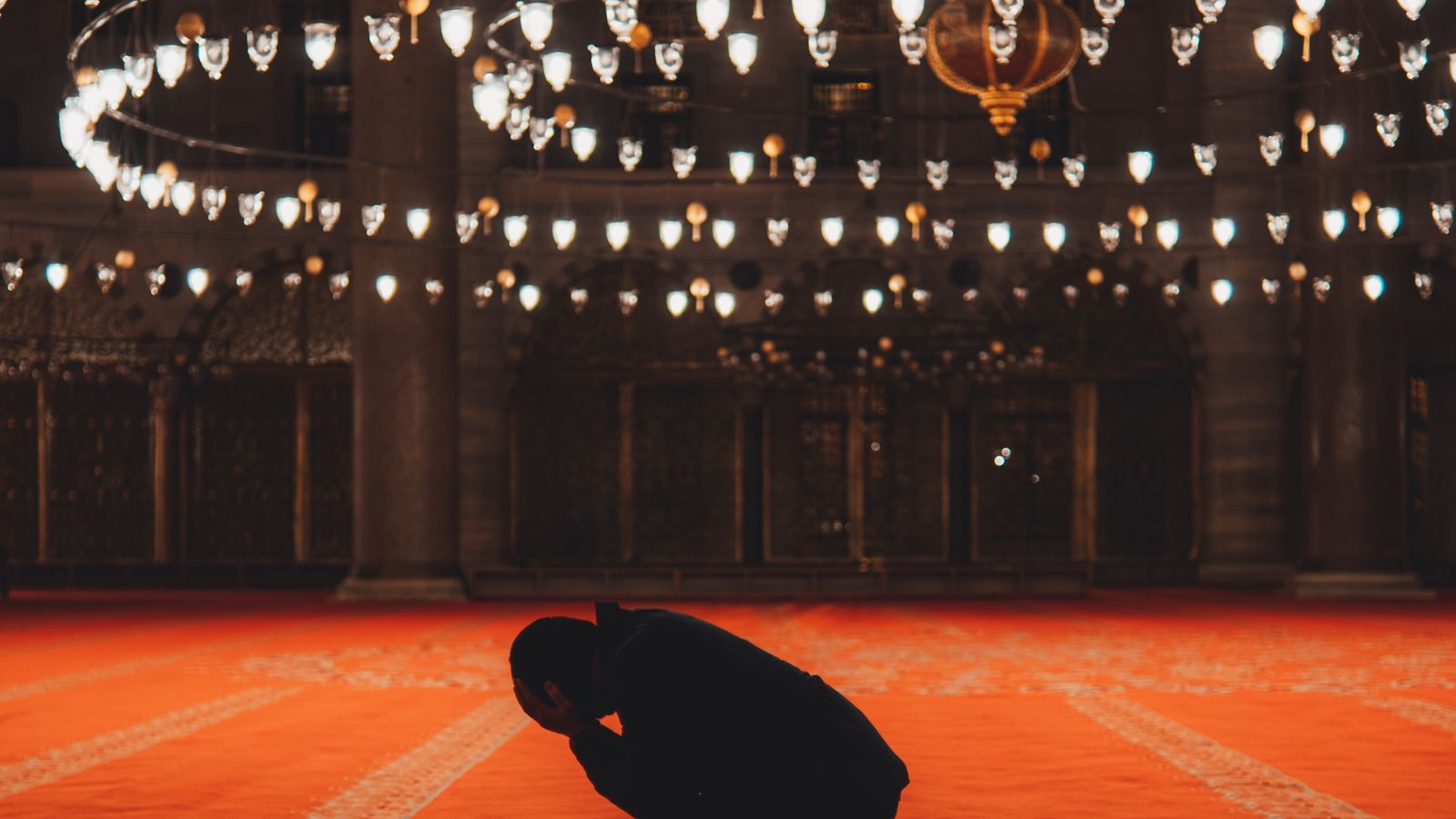
What Is Salatul Tawbah?
Salatul Tawbah literally means “the prayer of returning” — from the Arabic root t-w-b (تاب), meaning to return to Allah after turning away. It is a two-rakat voluntary salah a Muslim prays after committing any sin, with the specific intention of seeking forgiveness for that wrongdoing.
It is mustahabb (highly recommended), not obligatory. The four major madhhabs — Hanafi, Maliki, Shafi’i, and Hanbali — agree that the act of tawbah (repentance) itself is obligatory the moment a Muslim becomes aware of a sin, while the salah that accompanies it is a beloved Sunnah practice established by the Prophet’s ﷺ own words.
The Quran calls Allah At-Tawwab, “The Ever-Returning” (Quran 2:37, 4:64, 49:12) — He returns to His servant with mercy when the servant returns to Him. Salatul Tawbah is the formal, prayed expression of that return.
Key takeaways:
- Salatul Tawbah is 2 rakat prayed after a sin with the niyyah of seeking Allah’s forgiveness.
- The proof is Abu Bakr’s hadith in Sunan Abi Dawud 1521 (sahih) and Jami at-Tirmidhi 406 (hasan).
- It can be prayed at any time, including after Asr or Fajr (the normally makruh hours), since it has a specific cause.
- The 3 conditions of valid tawbah are: regret (nadam), ceasing the sin (iqla’), and resolving never to return (azm).
- Reciting Sayyid al-Istighfar after the salam multiplies the reward — the Prophet ﷺ called it the master of all supplications for forgiveness (Sahih al-Bukhari 6306).
What Does the Hadith Say About Salatul Tawbah?
The foundational hadith comes from Abu Bakr al-Siddiq (radi Allahu anhu), narrated by Imam Abu Dawud, Tirmidhi, and Ibn Majah. Abu Bakr said the Messenger of Allah ﷺ said:
“There is no man who commits a sin, then makes wudu well, then stands and prays two rakat, then asks Allah for forgiveness — except that Allah forgives him.” Then he recited the verse: “And those who, when they commit an immorality or wrong themselves, remember Allah and seek forgiveness for their sins — and who can forgive sins except Allah? — and who do not persist in what they have done while they know.” (Quran 3:135)
Sunan Abi Dawud 1521 (graded sahih by al-Albani) · Jami at-Tirmidhi 406 (hasan) · Sunan Ibn Majah 1395
This single hadith is the entire scriptural basis for the practice. Notice three things:
- “Any man” (مَا مِنْ عَبْدٍ) — there is no sin too small or too great for this prayer. Both major (kaba’ir) and minor (sagha’ir) sins are included.
- “Makes wudu well” — physical purification precedes spiritual purification. The wudu itself is part of the act.
- “Asks Allah for forgiveness” — the two rakats are the vehicle; the istighfar that follows is the destination.
The Quranic anchor verse the Prophet ﷺ attached to this hadith — Quran 3:135 — defines the kind of repenter Allah forgives: one who remembers Allah immediately after the slip, seeks forgiveness, and does not knowingly persist. That last condition is critical, and we will return to it under the three conditions of tawbah.
Related:


Allah’s mercy is wider still. The Prophet ﷺ said Allah accepts the repentance of His servant until the soul reaches the throat — that is, until the death rattle (Jami at-Tirmidhi 3537, Sunan Ibn Majah 4253, hasan). The door is open for an entire lifetime.
How Many Rakats Is Salatul Tawbah?
Salatul Tawbah is 2 rakat. This is the number specified in the hadith of Abu Bakr (Abu Dawud 1521) and is the unanimous position of the four madhhabs.
Some scholars, including Imam an-Nawawi and Ibn Qudamah, mention that praying 4 rakat or even 6 rakat with the intention of tawbah is permissible if the worshipper desires a longer act of devotion, since the Prophet ﷺ established 2 as a minimum, not a maximum. For most worshippers, however, the 2-rakat form taught directly in the hadith is the complete and sufficient practice.
One prayer can also cover multiple sins. You do not need to pray a separate salatul tawbah for each individual sin you remember. A single 2-rakat prayer with a sincere general intention to repent from all your sins is sufficient — this is the ruling issued in IslamWeb fatwa 263200.
How to Pray Salatul Tawbah Step-by-Step
The full procedure, in order, is exactly what the hadith describes: purify, pray two rakat, ask forgiveness. Here is the complete step-by-step.
Step 1: Make wudu (or ghusl if needed)
Perform a complete wudu the way the Prophet ﷺ did — washing each limb three times where applicable, taking care to wet between the fingers and toes, and saying Bismillah at the start. If you are in a state of major ritual impurity (after intimacy or seminal emission), perform ghusl first. The hadith specifies “wudu well” — rushed or perfunctory wudu undermines the act.
Step 2: Make the niyyah (intention)
The niyyah is silent and from the heart — no spoken formula is required. Simply intend in your heart: “I intend to pray two rakat of salatul tawbah, seeking forgiveness from Allah for my sin, for the sake of Allah Most High.” Face the qibla. If you cannot face the qibla (illness, travel), face whatever direction you can.
Step 3: Pray the first rakat
Say the opening takbir (Allahu Akbar), then recite the opening dua (Subhanaka Allahumma…), then A’udhu billah, then Bismillah, then Surah al-Fatihah. After al-Fatihah, recite a short surah — many scholars recommend Surah al-Kafirun (109) for the first rakat as it is a complete renunciation of false worship. No specific surah is mandated; any surah is valid.
Then proceed with ruku, two sujood, and a brief sitting between them, exactly as in any other salah.
Step 4: Pray the second rakat
Stand for the second rakat, recite al-Fatihah, then a short surah — Surah al-Ikhlas (112) is a widely-recommended companion to al-Kafirun for voluntary 2-rakat prayers, by analogy with the Prophet’s ﷺ Sunnah in the two-rakat sunan of Fajr and Maghrib (Sahih Muslim 726).
Complete ruku and the two sujood. In the final sujood, extend the duration — the Prophet ﷺ said: “The servant is closest to his Lord when he is in prostration, so make plenty of dua there” (Sahih Muslim 482). This is the ideal moment to pour out your specific repentance.
Step 5: Tashahhud and salam
Sit for the final tashahhud, recite At-tahiyyatu lillahi… followed by the salawat on the Prophet ﷺ (Allahumma salli ala Muhammad…), then conclude with two salams — right and left — as you would in any obligatory prayer.
Step 6: Raise your hands and ask forgiveness
This is the heart of salatul tawbah and the part the hadith makes mandatory: “then asks Allah for forgiveness.” Remain seated facing the qibla, raise your hands in dua, and ask Allah specifically for forgiveness of the sin you are repenting from. Cry if tears come. Name the sin in your heart. Mean it.
The single best dua to recite here is Sayyid al-Istighfar, the master of supplications for forgiveness, taught by the Prophet ﷺ himself and recorded in Sahih al-Bukhari 6306. Follow it with personal dua in your own language. Then say Astaghfirullah (I seek Allah’s forgiveness) repeatedly — the Prophet ﷺ said it 100 times every day (Sahih Muslim 2702a).
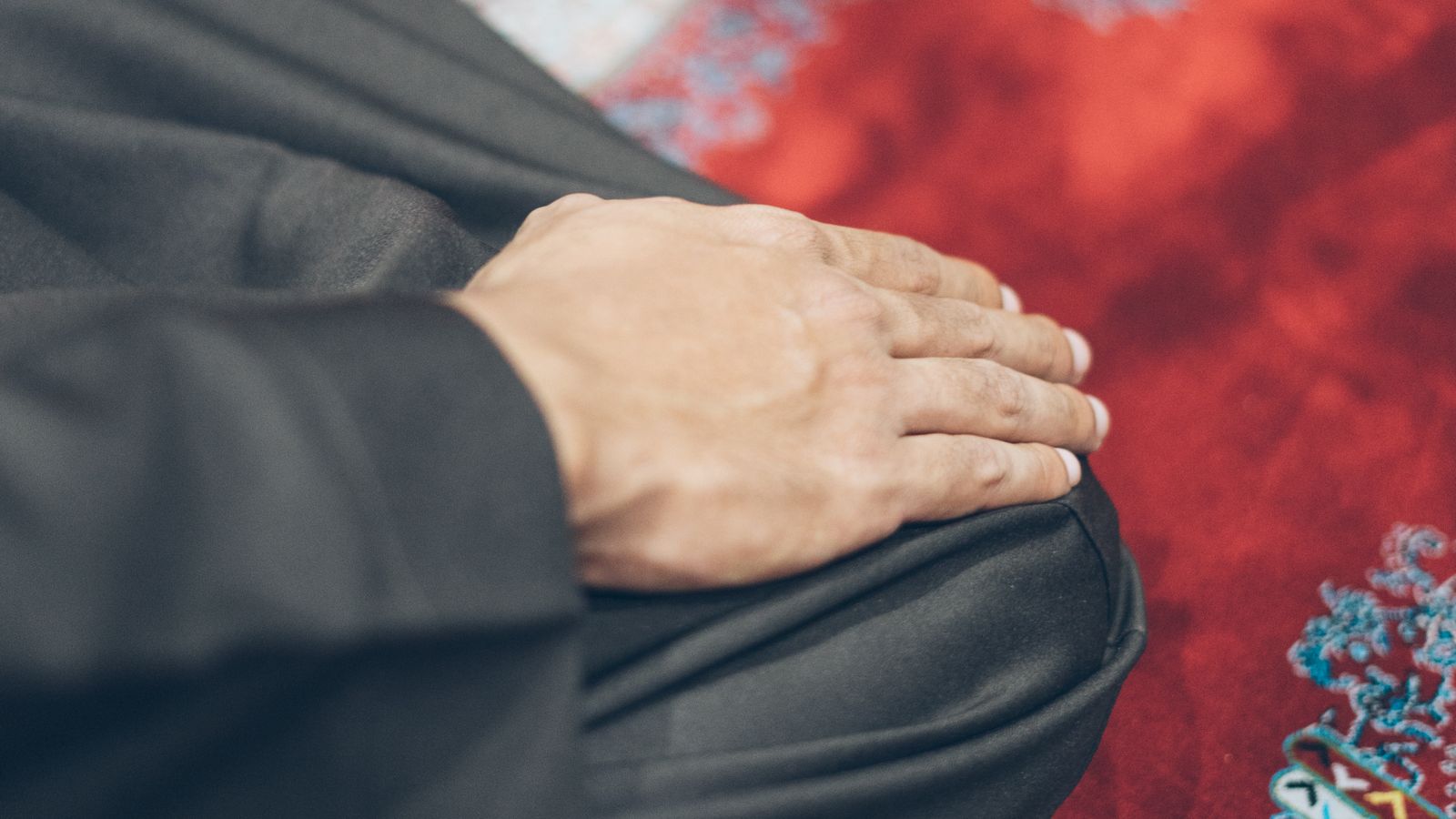
Sayyid al-Istighfar: The Master Dua of Repentance
The Prophet ﷺ called this dua Sayyid al-Istighfar — “the master of all supplications for forgiveness” — and promised that whoever says it during the day with firm conviction and dies before evening, or says it at night and dies before morning, will be among the people of Paradise. It is the single most powerful dua you can recite after salatul tawbah.
Arabic, transliteration & translation
اللَّهُمَّ أَنْتَ رَبِّي لاَ إِلَهَ إِلاَّ أَنْتَ، خَلَقْتَنِي وَأَنَا عَبْدُكَ، وَأَنَا عَلَى عَهْدِكَ وَوَعْدِكَ مَا اسْتَطَعْتُ، أَعُوذُ بِكَ مِنْ شَرِّ مَا صَنَعْتُ، أَبُوءُ لَكَ بِنِعْمَتِكَ عَلَيَّ، وَأَبُوءُ بِذَنْبِي فَاغْفِرْ لِي فَإِنَّهُ لاَ يَغْفِرُ الذُّنُوبَ إِلاَّ أَنْتَ
Transliteration: Allahumma anta Rabbi, la ilaha illa anta, khalaqtani wa ana abduka, wa ana ala ahdika wa wa’dika mastata’tu, a’udhu bika min sharri ma sana’tu, abu’u laka bi-ni’matika alayya, wa abu’u bi-dhanbi, faghfir li, fa innahu la yaghfirudh-dhunuba illa anta.
Translation: “O Allah, You are my Lord. There is no god but You. You created me, and I am Your servant. I keep my covenant with You and my promise to You as much as I am able. I seek refuge in You from the evil I have done. I acknowledge to You Your favours upon me, and I acknowledge to You my sin. So forgive me, for indeed none can forgive sins except You.” (Sahih al-Bukhari 6306)
Notice how the dua is structured. It begins with tawhid (“la ilaha illa anta”) — acknowledging Allah’s exclusive right to be worshipped. Then it confesses servanthood, acknowledges the covenant, takes refuge from one’s own evil, gratefully recognises Allah’s blessings, and only then asks for forgiveness. The structure itself is a model of how to repent: tawhid first, then humility, then the request.
For a deeper word-by-word breakdown and the full hadith narration from Shaddad ibn Aws, see our complete guide to Sayyidul Istighfar.
Simpler duas for those still memorising
If you have not yet memorised Sayyid al-Istighfar, the Prophet ﷺ also taught these shorter duas of repentance you can use immediately:
- Astaghfirullah wa atubu ilayh — “I seek Allah’s forgiveness and turn to Him in repentance.” Recited 100 times daily by the Prophet ﷺ (Sahih Muslim 2702a). See our full guide on Astaghfirullah wa Atubu Ilayh.
- Rabbighfir li wa tub alayya, innaka anta at-Tawwabur-Raheem — “My Lord, forgive me and accept my repentance. Indeed, You are the Accepter of Repentance, the Most Merciful.” (Sunan Abi Dawud 1516, sahih)
- Rabbana zalamna anfusana wa in lam taghfir lana wa tarhamna lanakunanna minal-khasireen — the dua of Adam and Hawwa after their slip (Quran 7:23).

The 3 Conditions of Valid Tawbah
The salah is the outward form. The inward reality — the actual tawbah — is governed by three conditions that classical scholars, including Imam an-Nawawi in Riyad as-Salihin and Imam Ibn Qayyim in Madarij as-Salikeen, derived from Quran and Sunnah. Without these, the prayer is just movement.
- Regret (an-nadam) — sincere remorse for the sin. The Prophet ﷺ said: “Regret is repentance” (Sunan Ibn Majah 4252, sahih). You must feel the wrongness of what you did, not merely fear its consequences.
- Ceasing the sin immediately (al-iqla’) — you must stop committing the sin at once. Continuing the act while praying for forgiveness from it is mockery, not repentance.
- Firm resolve never to return (al-azm) — a determined intention not to commit the sin again. If the sin recurs after a sincere resolve, that is human weakness, not invalidation of the earlier tawbah (more on this below).
If the sin involved another person’s right (haqq al-ibad) — stolen money, slander, broken trust, harm to body or honour — there is a fourth condition: restitution. You must return what you took, restore what you destroyed, or seek the wronged person’s pardon. Allah does not forgive a sin between two servants until the wronged servant is made whole, as established in the hadith of “the bankrupt one” (Sahih Muslim 2581).
For a full treatment of the conditions and the proofs from Quran and Sunnah, see our comprehensive article on Tawbah in Islam: Conditions, Dua & Sincere Repentance.
Tawbah vs Istighfar vs Salatul Tawbah
These three terms are often used interchangeably, but they describe three different things. Understanding the distinction sharpens your practice.
- Istighfar (الاستغفار) is the word: saying “Astaghfirullah” — “I seek Allah’s forgiveness.” It is the verbal request. It can be said at any moment, in any state, even hundreds of times in a sitting. The Prophet ﷺ said it 100 times daily (Sahih Muslim 2702a). See our guide to Astaghfirullah for the full meaning and benefits.
- Tawbah (التوبة) is the act of returning: the inner reality of regret, cessation, and resolve described above. Tawbah is not a phrase — it is a turning of the heart. You can be in a state of tawbah without saying a word.
- Salatul Tawbah (صلاة التوبة) is the prayer form: the specific 2-rakat salah described in Abu Dawud 1521 that joins istighfar (the word) and tawbah (the inner return) into a structured ritual.
A useful image: tawbah is the journey home. Istighfar is calling out as you walk. Salatul tawbah is the formal arrival at the door.


When Is the Best Time to Pray Salatul Tawbah?
The most virtuous time to pray salatul tawbah is immediately after committing the sin. The Quran praises those “who, when they commit an immorality or wrong themselves, remember Allah and seek forgiveness for their sins” (Quran 3:135) — the verse the Prophet ﷺ himself attached to the salatul tawbah hadith. Delay is the door through which the heart hardens.
It can also be prayed during the last third of the night, joined with tahajjud. The Prophet ﷺ said Allah descends to the lowest heaven in the last third of every night and says: “Who is asking of Me, that I may give him? Who is seeking My forgiveness, that I may forgive him?” (Sahih al-Bukhari 1145). This is the most accepted hour for any dua of repentance.
Critically, salatul tawbah is permitted at any time of day or night, including during the makruh hours — after Fajr until sunrise, when the sun is at its zenith, and after Asr until sunset. Imam Ibn Taymiyyah and the majority of scholars classified it as a salah dhat sabab (prayer with a specific cause), like tahiyyat al-masjid or the eclipse prayer. Prayers with a specific cause are not restricted by the makruh hour ruling. This is the established position of IslamQA fatwa 98030 and IslamWeb fatwa 338983.
What If You Commit the Same Sin Again?
This is the question that paralyses sincere Muslims more than any other: “I prayed tawbah last week and I did it again. Does Allah still accept me?” The answer from the Prophet ﷺ is unambiguous: yes, every single time, as long as your repentance was sincere each time.
The Prophet ﷺ narrated from his Lord (a hadith qudsi) that a servant committed a sin, then said, “O Lord, I have sinned, so forgive me.” Allah said: “My servant knew that he has a Lord who forgives sins and punishes for sins — I have forgiven My servant.” Then the servant committed the sin again and asked forgiveness again. Allah forgave again. Then a third time. Allah said: “My servant knew that he has a Lord who forgives sins and punishes for sins. I have forgiven My servant — let him do as he wishes.” (Sahih al-Bukhari 7507, Sahih Muslim 2758)
“Let him do as he wishes” does not mean Allah has given a licence to sin. It means: as long as he keeps returning sincerely, Allah keeps forgiving. The condition is that each tawbah be genuine at the moment it is made — full regret, full cessation in that instant, full resolve. Human weakness that breaks the resolve later is itself a new sin needing a new tawbah, not proof that the previous one was invalid.
What invalidates a tawbah is insincerity at the time of making it — repenting while planning to return to the sin. That is the persistent (musirr) repentance the Quran warns against in the very verse the Prophet ﷺ cited: “and who do not persist in what they have done while they know” (Quran 3:135).
So pray it again. And again. The door does not close. Allah’s name is At-Tawwab — the Ever-Returning. He is more pleased with His servant’s return than a man who lost his camel in the desert and then found it (Sahih Muslim 2747). Pair your salatul tawbah with the broader effort outlined in our guide to 15 powerful duas for forgiveness to keep the heart soft.
Frequently Asked Questions
How many rakats is salatul tawbah?
Salatul Tawbah is 2 rakat, as established in the hadith of Abu Bakr al-Siddiq in Sunan Abi Dawud 1521 (sahih) and confirmed by all four madhhabs. Some scholars permit 4 or 6 rakat for longer devotion, but 2 is the prophetically-taught minimum and the standard practice.
What time can you pray salatul tawbah?
Salatul Tawbah can be prayed at any time of day or night, including the normally makruh hours (after Fajr until sunrise, when the sun is at zenith, after Asr until sunset). The majority of scholars, including Ibn Taymiyyah, classify it as a prayer with a specific cause, so the makruh-hour restriction does not apply (IslamQA fatwa 98030).
What dua do you say in salatul tawbah?
There is no fixed dua mandated. The most highly-recommended dua to recite after the salam is Sayyid al-Istighfar from Sahih al-Bukhari 6306. You can also say Astaghfirullah wa atubu ilayh, Rabbighfir li wa tub alayya, or any sincere personal dua of repentance in your own language during the final sujood and after salam.
What is the difference between tawbah, istighfar, and salatul tawbah?
Istighfar is the verbal act of saying “Astaghfirullah” — seeking forgiveness with the tongue. Tawbah is the inner reality of returning to Allah: regret, cessation, and resolve. Salatul Tawbah is the specific 2-rakat prayer form that joins both into a structured ritual taught in Sunan Abi Dawud 1521.
Can I pray salatul tawbah for multiple sins at once?
Yes. A single 2-rakat salatul tawbah with a sincere general intention to repent from all your sins is sufficient. You do not need to pray a separate prayer for each individual sin you remember. This is the ruling issued by IslamWeb fatwa 263200 and is the position of the major schools of fiqh.
Will Allah forgive me if I keep committing the same sin and praying tawbah again?
Yes, every time, as long as each repentance is sincere at the moment you make it. The Prophet ﷺ narrated that Allah said: “As long as My servant returns to Me and asks forgiveness, I will forgive him — let him do as he wishes” (Sahih al-Bukhari 7507). What invalidates tawbah is insincerity at the time of making it, not human weakness that breaks the resolve afterwards.
Make Salatul Tawbah a Habit, Not a Last Resort
The Prophet ﷺ, who had no sin to repent from, sought Allah’s forgiveness more than seventy times a day (Sahih al-Bukhari 6307). If he made istighfar his daily companion, our own slips and shortcomings deserve no less. Pray salatul tawbah the next time you fall — and the time after that, and the time after that. The door is open. Allah is At-Tawwab. Walk through.


