

The first 10 days of Dhul Hijjah are the most virtuous days of the entire Islamic year. The Prophet (ﷺ) said: “No good deeds done on other days are superior to those done on these (first ten days of Dhul Hijjah)” — Sahih al-Bukhari 969. For the Muslim who is not making Hajj this year, these ten days are still the single richest worship window on the calendar: fasting, dhikr, charity, qurbani, and the Day of Arafah all converge inside one short stretch.
This guide gives you the 2026 dates of Dhul Hijjah, the canonical hadith and Quranic evidence for the virtue of these ten days, the nine specific things to do day by day, the full Arabic and transliteration of the Takbeer at-Tashreeq, the rulings on qurbani (udhiyah) and the hair-and-nails restriction, and answers to the six most asked questions about Dhul Hijjah.
What is Dhul Hijjah?
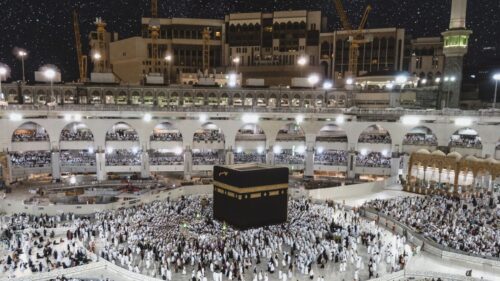
Dhul Hijjah (ذُو الْحِجَّةِ) is the twelfth and final month of the Islamic lunar calendar, and one of the four sacred months (al-ashhur al-hurum) in which Allah commands the believers not to wrong themselves: “Indeed, the number of months with Allah is twelve… of these four are sacred” — Surah At-Tawbah 9:36. Its name literally means “the month of pilgrimage,” because Hajj — the fifth pillar of Islam — is performed within it, from the 8th to the 13th of the month.
Even for the Muslim who is not making Hajj, Dhul Hijjah carries a virtue all of its own. The classical commentators, including Ibn Kathir in his tafsir of Surah Al-Fajr, identify “the ten nights” by which Allah swears at the opening of the surah as the first ten days of Dhul Hijjah. That oath alone — Allah swearing by these days — is sufficient evidence of their station.
Key takeaways:
- Dates (1447 AH / 2026 CE): 1st Dhul Hijjah ≈ Mon 18 May; Day of Arafah ≈ Tue 26 May; Eid al-Adha ≈ Wed 27 May (subject to local moonsighting).
- Core hadith: “No good deeds done on other days are superior to those done on these” — Sahih al-Bukhari 969, narrated by Ibn Abbas.
- Four headline deeds: fast (especially Arafah), recite takbeer and tahleel abundantly, give sadaqah, and perform qurbani if able.
- Best dua of the year: the dua of the Day of Arafah — La ilaha illa Allah wahdahu la sharika lah… (Jami at-Tirmidhi 3585).
- For Qurbani-doers: do not cut hair or nails from the sighting of the new moon until after the sacrifice (Sahih Muslim 1977).
When is Dhul Hijjah in 2026? Day of Arafah and Eid al-Adha Dates
Dhul Hijjah 1447 AH corresponds to May 2026 in the Gregorian calendar. Because the Islamic calendar is lunar, exact dates depend on the sighting of the new moon (hilal) at the end of Dhul Qa’dah; the Supreme Court of Saudi Arabia, the regional moonsighting committees, and your local masjid will all announce the confirmed date a day or two before. Until then, the most likely dates — based on astronomical calculation — are:
| Date in Dhul Hijjah 1447 | Gregorian (2026, expected) | What it is |
|---|---|---|
| 1 Dhul Hijjah | Mon 18 May 2026 | Start of the blessed 10 days |
| 8 Dhul Hijjah (Yawm at-Tarwiyah) | Mon 25 May 2026 | Pilgrims move to Mina |
| 9 Dhul Hijjah (Yawm Arafah) | Tue 26 May 2026 | Day of Arafah — fasting day for non-pilgrims |
| 10 Dhul Hijjah (Yawm an-Nahr) | Wed 27 May 2026 | Eid al-Adha and Qurbani |
| 11–13 Dhul Hijjah (Ayyam at-Tashreeq) | Thu 28 – Sat 30 May 2026 | Days of takbeer and feasting |
The 8th, 9th, and 10th are the densest worship days of the Islamic year. If you can only block one day for concentrated worship, make it the 9th — the Day of Arafah.
Why the First 10 Days Are the Most Blessed Days of the Year
The single clearest text on the virtue of these days is the hadith of Ibn Abbas in Sahih al-Bukhari 969. The Prophet (ﷺ) said:
مَا الْعَمَلُ فِي أَيَّامٍ أَفْضَلَ مِنْهَا فِي هَذِهِ. قَالُوا وَلاَ الْجِهَادُ قَالَ وَلاَ الْجِهَادُ، إِلاَّ رَجُلٌ خَرَجَ يُخَاطِرُ بِنَفْسِهِ وَمَالِهِ فَلَمْ يَرْجِعْ بِشَيْءٍ
“No good deeds done on other days are superior to those done on these (first ten days of Dhul Hijjah).” The Companions asked: “Not even jihad?” He said: “Not even jihad, except for a man who goes out with his life and property and returns with neither.” — Sahih al-Bukhari 969.


Classical scholars identify four reasons these days are unmatched:
- Allah swears by them. “By the dawn, and the ten nights” — Surah Al-Fajr 89:1-2. Ibn Abbas, Ibn Kathir, and the majority of commentators read this as the first ten of Dhul Hijjah.
- They combine every form of worship. No other window of the year holds fasting, salah, Hajj, qurbani, dhikr, and the Day of Arafah inside ten consecutive days.
- They contain the Day of Arafah. The single greatest day of the Islamic year for non-pilgrims (more on this below).
- The Prophet (ﷺ) testified to their superiority by direct comparison — even ranking them above jihad in the Bukhari 969 narration.
A second, complementary narration in Sunan Abi Dawud 2438 confirms the same ranking: “There are no days in which righteous deeds are more beloved to Allah than these days (the ten days of Dhul Hijjah).”
9 Things to Do in the First 10 Days of Dhul Hijjah
Below is the canonical list of the nine highest-yield acts of worship in the first ten days, ordered roughly by how directly the Sunnah encourages them. Aim to do all nine across the ten days — not necessarily all on the same day. Consistency outranks intensity: “The most beloved deeds to Allah are those done consistently, even if they are small” — Sahih al-Bukhari 6464.
1. Fast the First Nine Days (Especially the Day of Arafah)
It is recommended Sunnah to fast the first nine days of Dhul Hijjah. Hunaydah ibn Khalid reported from one of the wives of the Prophet (ﷺ): “The Messenger of Allah used to fast the nine days of Dhul Hijjah, the day of Ashura, and three days of every month” — Sunan Abi Dawud 2437. If you cannot fast all nine, prioritize the Day of Arafah (9th Dhul Hijjah): “Fasting the day of Arafah, I hope from Allah, expiates the sins of the year before and the year after” — Sahih Muslim 1162. Pilgrims at Arafah do not fast; this fast is for non-pilgrims only. The 10th (Eid al-Adha) is forbidden to fast.
2. Recite Takbeer, Tahleel, Tahmeed, and Tasbeeh Abundantly
The Prophet (ﷺ) said: “There are no days greater in the sight of Allah, nor in which good deeds are more beloved to Him, than these ten days. So during this time recite a great deal of tahleel, takbeer, and tahmeed” — Musnad Ahmad 5446. The four formulas to keep on your tongue throughout the ten days are:
- Tahleel: La ilaha illa Allah (لَا إِلَهَ إِلَّا اللَّهُ) — “There is no god but Allah.”
- Takbeer: Allahu Akbar (اللَّهُ أَكْبَرُ) — “Allah is the Greatest.”
- Tahmeed: Alhamdulillah (الْحَمْدُ لِلَّهِ) — “All praise is to Allah.”
- Tasbeeh: Subhan Allah (سُبْحَانَ اللَّهِ) — “Glory be to Allah.”
Ibn Umar and Abu Hurayrah used to walk through the markets of Madinah during these ten days saying the takbeer aloud, and the people would say it with them. This was the recorded practice of the Salaf, preserved in Sahih al-Bukhari before the chapter on Eid.
3. Recite the Takbeer at-Tashreeq (Specific Formula)
From Fajr of the Day of Arafah (9th Dhul Hijjah) until Asr of the 13th, the Sunnah is to recite the Takbeer at-Tashreeq after every obligatory prayer. The most widely transmitted wording is:
اللَّهُ أَكْبَرُ، اللَّهُ أَكْبَرُ، لَا إِلَهَ إِلَّا اللَّهُ، وَاللَّهُ أَكْبَرُ، اللَّهُ أَكْبَرُ، وَلِلَّهِ الْحَمْدُ
Allahu Akbar, Allahu Akbar, la ilaha illa Allah, wallahu Akbar, Allahu Akbar, wa lillahi al-hamd.
“Allah is the Greatest, Allah is the Greatest. There is no god but Allah. Allah is the Greatest, Allah is the Greatest, and to Allah belongs all praise.”
This is the basis for the takbeer you hear in masajid during the days of Tashreeq. Men recite it aloud; women recite it quietly. The legislation traces to Surah Al-Baqarah 2:203: “And remember Allah during [specific] numbered days.”
4. Recite the Quran Daily
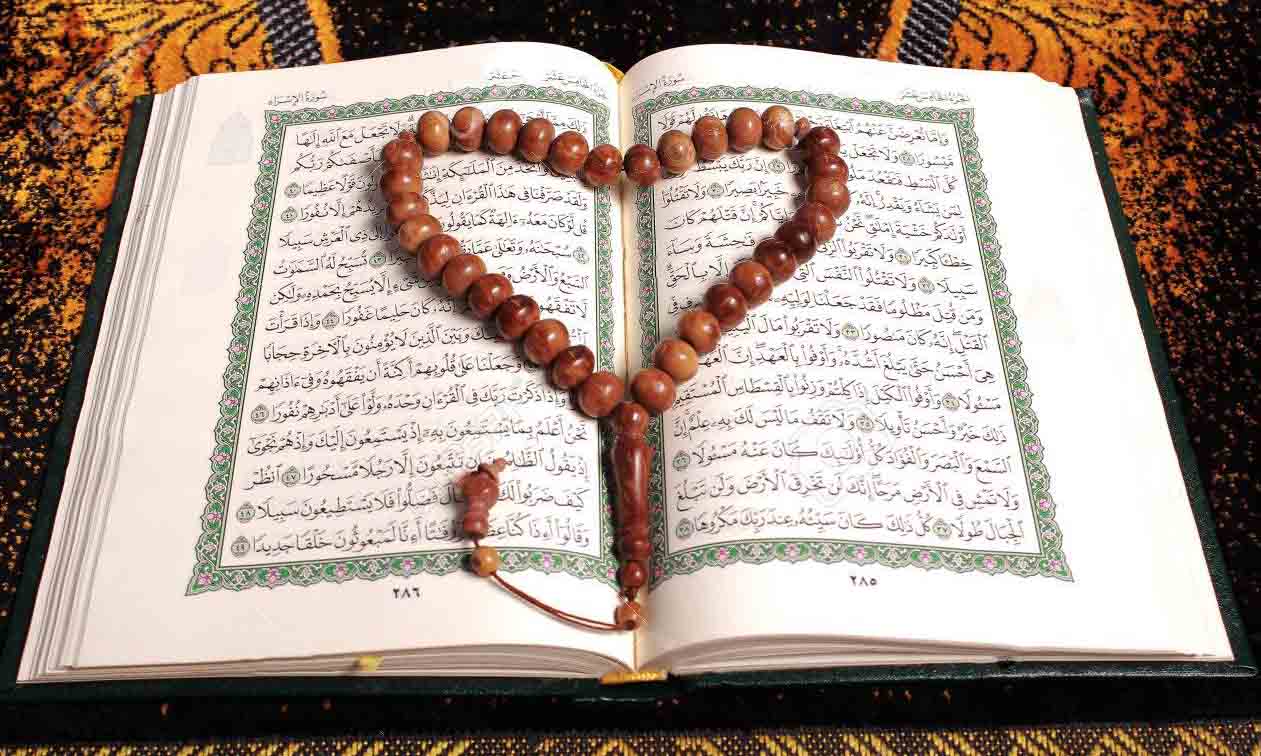
The reward of reciting the Quran is multiplied in the most beloved days. Set a daily target you can actually hit — half a juz, one juz, even a single page. The Prophet (ﷺ) said: “Whoever reads a letter from the book of Allah will have a hasanah, and that hasanah is multiplied by ten” — Jami at-Tirmidhi 2910. Pair recitation with a tafsir for one short surah a day (Surah Al-Fajr, Surah Al-Hajj, or Surah Al-Kawthar are all topical for the season).
5. Pray Tahajjud and Voluntary Nawafil
The nights of Dhul Hijjah carry weight too. A narration in Jami at-Tirmidhi 758 states that fasting each day of these ten is equivalent to fasting a year, and standing each night in prayer is equivalent to standing on Laylat al-Qadr. Even if you can only manage two short rak’ahs of Tahajjud in the last third of the night, the consistency is what unlocks the reward. Add the Duha prayer in the morning and the Rawatib (sunan) before and after each fard.
6. Give Sadaqah (Charity) Daily
The Prophet (ﷺ) said: “Charity does not decrease wealth” — Sahih Muslim 2588. Open a daily sadaqah habit for the ten days: even a small fixed amount counts. Cover the obvious causes (food relief, masjid maintenance, orphans, Quran printing) and the less-obvious ones (paying off a relative’s debt, sponsoring a Quran teacher, removing a harm from the road). The Prophet (ﷺ) said: “Every joint of a person must perform a charity each day that the sun rises… a good word is charity, and every step you take towards the prayer is charity” — Sahih al-Bukhari 2989.
7. Make Sincere Tawbah (Repentance)
Dhul Hijjah is the year’s tawbah window. With the books of deeds closing on the Hijri year shortly after Eid, these are the days to settle old accounts: ask forgiveness from Allah for what is between you and Him, and from people for what is between you and them. The three conditions of valid tawbah, codified by the classical scholars, are: stop the sin immediately, regret having done it, and resolve never to return to it. If the sin involved another person’s right, returning that right is a fourth condition.
8. Perform Qurbani (Udhiyah) on Eid al-Adha
Qurbani — also called udhiyah — is the sacrifice offered on the 10th of Dhul Hijjah (and through the days of Tashreeq) in commemoration of Ibrahim’s willingness to sacrifice Ismail, as recounted in Surah As-Saffat 37:102-107. It is wajib in the Hanafi madhhab for every adult Muslim of means; the majority (Maliki, Shafi’i, Hanbali) hold it to be a confirmed Sunnah (sunnah mu’akkadah). See the dedicated section below for the rulings, the eligible animals, and the hair-and-nails restriction.
9. Pray Eid al-Adha Salah and Cleanse Your Character
On the morning of the 10th, attend the Eid prayer at the masjid or the open-ground (musalla). The Prophet (ﷺ) and his Companions never missed it, and he encouraged even menstruating women to attend the gathering to witness the takbeer and the dua. Across the full ten days, work on your character: pay debts, mend a broken relationship, control your tongue, give a sibling their dues. These are part of the worship of the season, not separate from it.
The Day of Arafah: The Greatest Day of the Year
The 9th of Dhul Hijjah — the Day of Arafah — is the day the pilgrims stand on the plain of Arafah, the day Allah descends to the lowest heaven and boasts to His angels about His servants, and the day on which the verse “This day I have perfected for you your religion” (Surah Al-Ma’idah 5:3) was revealed. For the non-pilgrim, three acts are central:
- Fast. One day, two years of sin forgiven (Sahih Muslim 1162).
- Make dua intensively, especially between Asr and Maghrib. The Prophet (ﷺ) said: “The best dua is the dua of the Day of Arafah, and the best that I and the Prophets before me have said is: La ilaha illa Allah, wahdahu la sharika lah, lahu al-mulk wa lahu al-hamd, wa huwa ala kulli shay’in qadeer” — Jami at-Tirmidhi 3585.
- Recite the Takbeer at-Tashreeq after every fard prayer, starting from Fajr.
لَا إِلَهَ إِلَّا اللَّهُ وَحْدَهُ لَا شَرِيكَ لَهُ، لَهُ الْمُلْكُ وَلَهُ الْحَمْدُ، وَهُوَ عَلَى كُلِّ شَيْءٍ قَدِيرٌ
Clear your schedule for this day if you can. Phone off, work cleared, fast steady, dua list ready. While you are sitting at home, the pilgrims are at the plain of Arafah in ihram, hands raised, weeping. Join them in dua.
Qurbani / Udhiyah: The Sacrifice of Eid al-Adha
Qurbani commemorates the sacrifice of Ibrahim (peace be upon him), who saw in a dream that he was to sacrifice his son Ismail. When father and son submitted, Allah ransomed Ismail with a great ram and recorded their story in Surah As-Saffat 37:102-107 and praised it in Surah Al-Kawthar 108:2: “So pray to your Lord and sacrifice.”
Who Must Perform Qurbani
Every adult Muslim who possesses the nisab (the threshold of wealth that makes zakat obligatory) on the day of Eid is required to offer qurbani in the Hanafi madhhab; the Maliki, Shafi’i, and Hanbali madhahib hold it to be a confirmed Sunnah for the same household. The eligible animals are sheep, goats, cattle, and camels, meeting the minimum age and health conditions. A single sheep or goat covers one household; a cow or camel can be shared by up to seven shares (one per person).
How the Meat Is Divided
The recommended division, based on the practice of the Salaf, is in thirds: one third for your own household, one third gifted to family and neighbors, and one third given as sadaqah to the poor. Many charity organizations now perform qurbani on your behalf in countries where the meat will reach families who would not otherwise eat meat all year.
Do Not Cut Hair or Nails (For the Qurbani-Doer)
The Prophet (ﷺ) said: “When you see the new moon of Dhul Hijjah, if any of you intends to offer a sacrifice, let him not cut his hair or his nails until he has offered the sacrifice” — Sahih Muslim 1977, narrated by Umm Salamah. This restriction applies to the person offering the qurbani (one per household is sufficient), starts at the sighting of the new moon of Dhul Hijjah, and ends after the animal has been sacrificed on Eid. It does not apply to dependents, spouse, or children.
A Day-by-Day Worship Plan for the First 10 Days
Treat the ten days as a stacked retreat. Below is a realistic plan you can adapt without quitting your job. The point is not to burn out by day three; the point is to show up all ten days.
| Day | What to do |
|---|---|
| Days 1–7 | Fast each day if you can. Half a juz of Quran. Daily sadaqah. Replace music/podcasts with the four dhikr formulas. Two rak’ahs of Tahajjud. |
| Day 8 (Yawm at-Tarwiyah) | Fast. Prepare your Day of Arafah dua list. Settle anything that might distract you tomorrow. |
| Day 9 (Yawm Arafah) | Fast (non-pilgrims only). Concentrated dua, especially between Asr and Maghrib. Recite the Tirmidhi 3585 dua of Arafah repeatedly. Begin Takbeer at-Tashreeq after Fajr. |
| Day 10 (Eid al-Adha) | Do not fast. Eid salah at the masjid. Qurbani. Eat from the sacrifice. Visit family. |
| Days 11–13 (Ayyam at-Tashreeq) | Eating, drinking, and remembering Allah. Continue the Takbeer at-Tashreeq after every fard. Qurbani is still valid in these days. |
What to Avoid During Dhul Hijjah
Sins in a sacred month are weightier than sins in other months — the same way good deeds are. Surah At-Tawbah 9:36 commands: “…so do not wrong yourselves during them.” Concretely, this means tightening on:
- Backbiting and gossip — the tongue is the fastest way to lose ten days of fasting.
- Missing the obligatory prayers — nothing voluntary makes up for a missed fard.
- Harshness with family — especially with parents, spouse, and children.
- Music, idle entertainment, and doomscrolling — the days are short; the reward is large.
- For Qurbani-doers: cutting hair or nails from the sighting of the new moon until the sacrifice.
Dhul Hijjah vs Ramadan: Which Is Greater?
The classical scholarly consensus, articulated most clearly by Ibn Taymiyyah and Ibn al-Qayyim, is this: the days of the first ten of Dhul Hijjah are the best days of the year, and the nights of the last ten of Ramadan are the best nights of the year. This explains why fasting and daytime worship are emphasized in Dhul Hijjah, while Tahajjud, qiyam, and i’tikaf are emphasized in the last ten nights of Ramadan.
| Dimension | First 10 Days of Dhul Hijjah | Last 10 Nights of Ramadan |
|---|---|---|
| What is superior | The days | The nights |
| Centerpiece | Day of Arafah | Laylat al-Qadr |
| Primary act of worship | Fasting, dhikr, qurbani | Qiyam (night prayer), Quran, i’tikaf |
| Sin expiation | 2 years (Arafah fast) | The full lifetime (“better than 1,000 months”) |
Both windows are gifts — do not let one make you complacent about the other.
Frequently Asked Questions
When does Dhul Hijjah start in 2026?
Dhul Hijjah 1447 AH is expected to begin on Monday 18 May 2026 based on astronomical calculation, with the Day of Arafah on Tuesday 26 May and Eid al-Adha on Wednesday 27 May. The exact start depends on the local sighting of the new moon at the end of Dhul Qa’dah, so the confirmed date will only be announced a day or two before. Check with your local masjid or the Saudi Supreme Court’s moonsighting announcement.
Do you have to fast all 10 days of Dhul Hijjah?
Fasting is recommended Sunnah for the first nine days, not obligatory. The 10th (Eid al-Adha) is forbidden to fast on. If you cannot fast all nine, prioritize the Day of Arafah (9th Dhul Hijjah) — its single fast expiates the sins of the year before and the year after (Sahih Muslim 1162). Pilgrims at Arafah are not to fast that day; the Arafah fast applies only to those not making Hajj.
Why can’t you cut your hair during the first 10 days of Dhul Hijjah?
The hair-and-nails restriction applies only to the person intending to offer qurbani, not to every Muslim. The Prophet (ﷺ) said: “When you see the new moon of Dhul Hijjah, if any of you intends to offer a sacrifice, let him not cut his hair or his nails until he has offered the sacrifice” — Sahih Muslim 1977. The wisdom, according to the classical commentators, is that the qurbani-doer shares in part of the state of the pilgrim. Family members of the qurbani-doer are not bound by the restriction.
Is Dhul Hijjah better than the last 10 days of Ramadan?
The most balanced classical view, attributed to Ibn Taymiyyah and adopted by the majority of contemporary scholars: the days of the first ten of Dhul Hijjah are the best days of the year, and the nights of the last ten of Ramadan are the best nights of the year. Each window has its own primary acts: dhikr, fasting, and qurbani in Dhul Hijjah; Tahajjud, Quran, and i’tikaf in search of Laylat al-Qadr in Ramadan.
What is the best dua to say on the Day of Arafah?
The Prophet (ﷺ) said: “The best dua is the dua of the Day of Arafah, and the best that I and the Prophets before me have said is: La ilaha illa Allah wahdahu la sharika lah, lahu al-mulk wa lahu al-hamd, wa huwa ala kulli shay’in qadeer” — Jami at-Tirmidhi 3585. Beyond this formula, make personal dua in your own language. The window between Asr and Maghrib on Arafah is the most highly recommended hour of the year for raising your hands.
Can women fast and do dhikr during menses in Dhul Hijjah?
A woman in her menses (or post-natal bleeding) does not fast or pray the obligatory or voluntary prayers in this state, and any missed fard fast is made up afterwards. However, she can and should continue dhikr, takbeer, tahleel, tahmeed, listening to the Quran, making dua, giving sadaqah, and attending the Eid prayer (sitting at the back, not in the prayer rows). None of these acts requires ritual purity. The blessing of the ten days is not closed to her.