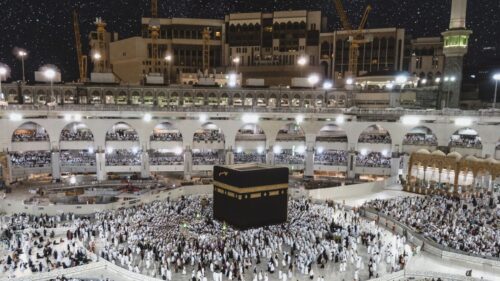


When you reach a verse in the Quran marked with the symbol {۩}, the Prophet Muhammad ﷺ taught his companions to stop reading and place their foreheads on the ground in a single prostration. This act is called Sujud al-Tilawah — the prostration of recitation — and the short dua that goes with it was reported by Aisha (RA) in Sunan Abi Dawud 1414.
This guide gives you the full Arabic dua, transliteration and English meaning, the step-by-step method for performing the sajdah inside and outside salah, the ruling on whether it is wajib or sunnah, the complete list of all 14 (or 15) sajdah verses in the Quran, and clear answers to the practical questions readers ask the most — including what to do if you forget to prostrate, if you are listening on a phone, or if you are on your period.
Table of Contents
What Is Sujud al-Tilawah?
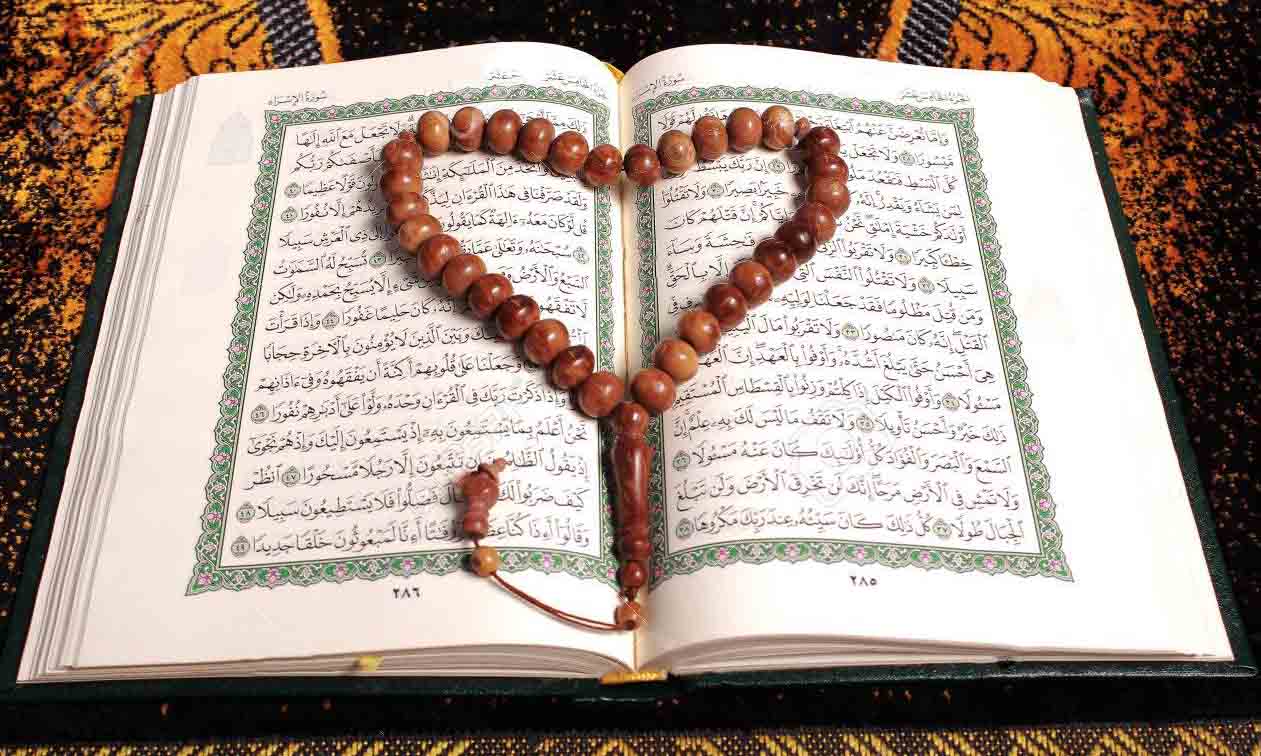
Sujud al-Tilawah (سُجُود التِّلَاوَة) literally means “the prostration of recitation.” It is a single sajdah performed by the reciter or listener when a specific verse of prostration is reached in the Quran. These verses are marked in the mushaf with the symbol {۩}, and they speak about the angels, prophets, jinn and creation prostrating to Allah, calling the believer to join that act of submission.
Allah praises those who respond to these verses immediately. In Surah Al-Isra He says, “When it is recited to them, they fall down on their faces in prostration” (Quran 17:107), and in Surah As-Sajdah, “Only those believe in Our verses who, when they are reminded of them, fall down in prostration and glorify their Lord” (Quran 32:15). The Prophet ﷺ told Abu Hurayrah (RA) that when a son of Adam recites a verse of sajdah and prostrates, the devil withdraws weeping, saying, “He was commanded to prostrate and he prostrated, so Paradise is his — and I was commanded to prostrate and I refused, so the Fire is mine” (Sahih Muslim 81).
The act is short — one prostration, one short dua, then you rise — but it carries the same weight as defying Iblis’s refusal. That is why scholars across the four madhhabs treat it as a confirmed sunnah of the Quran reciter, and the Hanafis treat it as wajib outright.
Key takeaways:
- Sujud al-Tilawah is one prostration done when reciting or hearing any verse marked {۩} in the Quran.
- The primary dua is Sajada wajhiya lilladhi khalaqahu… from Sunan Abi Dawud 1414; the minimum is Subhana Rabbiyal-A’la three times.
- It is wajib in the Hanafi school and a confirmed sunnah (sunnah mu’akkadah) in the Maliki, Shafi’i and Hanbali schools.
- Outside salah you face the qibla, say one takbir, prostrate, recite the dua, then rise — no second sajdah and no taslim.
- The Quran contains 14 verses of prostration by majority count, or 15 if Surah Sad (38:24) is included — the difference is a madhhab matter, not a contradiction.
The Dua for Sujud al-Tilawah (Arabic, Transliteration & Meaning)
The Prophet ﷺ used to recite specific words during this prostration. The most authentic and widely reported is the dua narrated by his wife Aisha (RA). A second dua, narrated by Ibn Abbas (RA), asks Allah to record a reward, store it, remove a sin and accept the sajdah the way He accepted the prostration of Prophet Dawud (peace be upon him).
Primary dua — narrated by Aisha (RA)

سَجَدَ وَجْهِيَ لِلَّذِي خَلَقَهُ وَشَقَّ سَمْعَهُ وَبَصَرَهُ بِحَوْلِهِ وَقُوَّتِهِ
Sajada wajhiya lilladhi khalaqahu wa shaqqa sam’ahu wa basarahu bi-hawlihi wa quwwatihi.
“My face has prostrated to the One who created it and brought forth its hearing and sight by His might and power.” (Sunan Abi Dawud 1414 — Sahih)
Related:


Some narrations extend the dua with “Fa-tabarakallahu ahsanu’l-khaliqin” (فَتَبَارَكَ اللَّهُ أَحْسَنُ الْخَالِقِينَ) — “Blessed is Allah, the best of creators” — matching the end of Quran 23:14. Both the short and extended forms are correct, and you can use either.
Second dua — narrated by Ibn Abbas (RA)

اللَّهُمَّ اكْتُبْ لِي بِهَا عِنْدَكَ أَجْرًا، وَاجْعَلْهَا لِي عِنْدَكَ ذُخْرًا، وَضَعْ عَنِّي بِهَا وِزْرًا، وَتَقَبَّلْهَا مِنِّي كَمَا تَقَبَّلْتَهَا مِنْ عَبْدِكَ دَاوُدَ
Allahumma uktub li biha ‘indaka ajran, waj’alha li ‘indaka dhukhran, wa da’ ‘anni biha wizran, wa taqabbalha minni kama taqabbaltaha min ‘abdika Dawud.
“O Allah, record for me by this (prostration) a reward with You, store it for me with You, remove from me by it a sin, and accept it from me as You accepted it from Your slave Dawud.” (Jami’ at-Tirmidhi 580)
Minimum — the tasbih of sujud
If you do not yet have the longer dua memorised, the minimum is the same words you say in the prostration of regular salah — Subhana Rabbiyal-A’la (سُبْحَانَ رَبِّيَ الْأَعْلَى), meaning “Glory be to my Lord, the Most High,” recited three times. The Prophet ﷺ established this tasbih for every sujud, and scholars agree it fulfils the sajdah of recitation as well.
How to Perform Sujud al-Tilawah Step by Step
The method differs slightly depending on whether you encounter the sajdah verse inside your salah or outside it. In both cases, only one prostration is required — not two, and there is no taslim at the end.
Outside of salah (while reading or listening)
- Make sure you are in a state of wudu (this is the majority view) and that your body and clothing are clean.
- Face the qibla if you reasonably can, and form the intention (niyyah) in your heart that this is a sajdah of tilawah.
- Say one takbir — Allahu Akbar — without raising the hands, and go down into prostration.
- Recite the dua from Aisha (RA), or Subhana Rabbiyal-A’la three times, optionally adding the dua of Ibn Abbas (RA).
- Rise saying Allahu Akbar, and continue your reading from the next verse. There is no second sajdah and no taslim.
Inside of salah
If you are leading or praying alone and your recitation reaches a sajdah verse, say Allahu Akbar at the standing position, go down into one prostration, recite the same dua or tasbih, then say Allahu Akbar as you rise back to standing and complete your raka’ah. If you are praying behind an imam, follow whatever the imam does — do not prostrate on your own.
Is Sujud al-Tilawah Wajib or Sunnah?
This is the most-asked question on the topic, and the four Sunni schools (madhhabs) differ. The disagreement is not whether the sajdah is loved by Allah — everyone agrees it is — but whether neglecting it is sinful. Here is the breakdown:
| School | Ruling | What it means in practice |
|---|---|---|
| Hanafi | Wajib (obligatory) | Leaving it is sinful; it must be made up later if missed. |
| Maliki | Sunnah mu’akkadah | Strongly recommended; leaving it is disliked but not sinful. |
| Shafi’i | Sunnah mu’akkadah | Strongly recommended for both the reciter and the listener. |
| Hanbali | Sunnah mu’akkadah | Strongly recommended; the Prophet ﷺ sometimes did and sometimes left it (per Bukhari 1077). |
The Hanafi position rests on the command form of verses like “And when the Qur’an is recited to them, they do not prostrate” (Quran 84:21) — a rebuke that the Hanafis read as making the prostration obligatory. The other three schools rely on the narration in Sahih al-Bukhari 1077 where Umar (RA) recited a sajdah verse during a Friday khutbah, descended and prostrated, and on the second Friday he recited the same verse but did not prostrate, saying, “Allah has not made the sajdah obligatory upon us unless we wish.” Whichever madhhab you follow, the safe and rewarded practice is simply to prostrate.
How Many Sajdah Verses Are in the Quran?
The standard count is 14 verses of prostration, though the Hanafi school includes Surah Sad (38:24) for a total of 15. The Shafi’i and Hanbali schools treat 38:24 as a separate sujud shukr (prostration of gratitude) rather than a sajdah of tilawah — which is why the standard mushaf prints {۩} at 14 verses and a different symbol at Sad. The Maliki school accepts only 11, excluding the four sajdahs of the Mufassal section. The full list below covers all 15 with the surah and ayah numbers in the Uthmani mushaf:
| # | Surah | Verse | Accepted by |
|---|---|---|---|
| 1 | Al-A’raf | 7:206 | All four schools |
| 2 | Ar-Ra’d | 13:15 | All four schools |
| 3 | An-Nahl | 16:49–50 | All four schools |
| 4 | Al-Isra | 17:107–109 | All four schools |
| 5 | Maryam | 19:58 | All four schools |
| 6 | Al-Hajj | 22:18 | All four schools |
| 7 | Al-Hajj | 22:77 | Shafi’i and Hanbali only |
| 8 | Al-Furqan | 25:60 | All four schools |
| 9 | An-Naml | 27:25–26 | All four schools |
| 10 | As-Sajdah | 32:15 | All four schools |
| 11 | Sad | 38:24 | Hanafi only (others: sujud shukr) |
| 12 | Fussilat | 41:37–38 | Hanafi, Shafi’i, Hanbali |
| 13 | An-Najm | 53:62 | Hanafi, Shafi’i, Hanbali |
| 14 | Al-Inshiqaq | 84:21 | Hanafi, Shafi’i, Hanbali |
| 15 | Al-’Alaq | 96:19 | Hanafi, Shafi’i, Hanbali |
If you read from a printed mushaf, follow whatever your copy marks — printers typically follow the madhhab of their region. If you are listening to a reciter and you cannot see which count they follow, prostrate whenever they prostrate, or simply prostrate at any of the 14 universally agreed verses.
Common Situations and Rulings
These are the questions readers ask most often that the top search results do not answer clearly. Each ruling is the majority position; if you follow a specific madhhab, defer to your local scholar.
What if I forgot to prostrate after reading the verse?
The sajdah of tilawah is tied to the moment, not delayed. The majority view (Maliki, Shafi’i, Hanbali) is that if you forget — or move on without prostrating — there is no obligation to make it up. The Hanafi school holds that you should perform it as soon as you remember, ideally within the same sitting; if the gap becomes long (the next prayer, or you leave the place), the sajdah lapses but you are encouraged to seek forgiveness.
Do I need wudu to do sujud al-tilawah?
The majority of scholars require wudu, treating the sajdah as a partial act of prayer. Some scholars — including Ibn Taymiyyah and Shaykh al-Albani — have argued that since the Prophet ﷺ never explicitly commanded wudu for it and the Sahaba sometimes prostrated upon hearing a verse on the road, it can be done without wudu. The safer practice is to make wudu first; the lenient practice is allowed when wudu is not feasible.
Can a woman do sujud al-tilawah during her period?
The majority view is that a menstruating woman does not perform the sajdah of tilawah, since the sajdah requires the same purity as salah. She is, however, encouraged to listen to the Quran being recited and to glorify Allah at that point with a phrase like Subhanallah or the words of the dua without prostrating physically. Some contemporary scholars allow her to perform the sajdah without wudu since it is not salah itself; both views have evidence.
What if I’m listening to the Quran on a phone, app or radio?
Scholars distinguish between a live recitation and a recorded one. If you are listening live (in a masjid, or to someone reading next to you), prostrating when they prostrate is the established practice. For recorded audio — an app, YouTube, the radio — the majority view is that prostrating is recommended but not required, because the recording is not a person calling you to prostrate. If you do choose to prostrate with the audio, doing so is rewarded.
What if I’m behind an imam who doesn’t prostrate?
You follow the imam. If the imam recites a sajdah verse and continues without prostrating — either because his madhhab does not consider that verse a sajdah, or because of an oversight — you do not prostrate on your own; doing so would break your salah. The Prophet ﷺ said, “The imam is appointed to be followed” (Sahih al-Bukhari 689).
What if I’m driving or in a public place?
If you reach a sajdah verse while driving, on public transport, or anywhere a prostration is genuinely impractical, the recommendation is to delay the sajdah until you can safely perform it — not to mimic it with a head-nod. If you cannot perform it at all that day, no harm is done; the sajdah is not a debt that must be repaid. The same applies to anyone who is sick or unable to descend into prostration: glorifying Allah verbally at that point suffices.
Frequently Asked Questions
How many sajdah are in the Quran — 14 or 15?
There are 14 verses of prostration by the majority count (Maliki, Shafi’i, Hanbali) and 15 by the Hanafi count, which adds Surah Sad 38:24. The Maliki school recognises only 11, excluding the four sajdahs of the Mufassal section. Whichever count your mushaf follows, prostrating at the marked {۩} symbols is correct.
What do you say in sujud al-tilawah?
The most authentic dua is Sajada wajhiya lilladhi khalaqahu wa shaqqa sam’ahu wa basarahu bi-hawlihi wa quwwatihi — ‘My face has prostrated to the One who created it and brought forth its hearing and sight by His might and power’ (Sunan Abi Dawud 1414). The minimum acceptable is Subhana Rabbiyal-A’la three times, the same tasbih as the prostration of salah.
Is sujud al-tilawah wajib or sunnah?
It is wajib in the Hanafi school and a confirmed sunnah (sunnah mu’akkadah) in the Maliki, Shafi’i and Hanbali schools. All four agree that performing it is rewarded; the disagreement is whether neglecting it is sinful. Umar ibn al-Khattab (RA) once left the sajdah deliberately during a khutbah to teach that it is not obligatory upon every reader (Sahih al-Bukhari 1077).
Do you need wudu for sujud al-tilawah?
The majority view requires wudu because the sajdah resembles an act of prayer. A minority of scholars — including Ibn Taymiyyah and Shaykh al-Albani — permit it without wudu, citing that the Prophet ﷺ did not explicitly command it. The safe practice is to make wudu; the dispensation is reserved for cases of need.
What if I forgot to do sajdah after reading the verse?
In the majority view (Maliki, Shafi’i, Hanbali) there is no obligation to make it up — the sajdah is tied to the moment of recitation. The Hanafi school holds that you should perform it as soon as you remember, ideally within the same sitting; once a significant time gap passes, the sajdah lapses with no penalty beyond seeking forgiveness.
How do you perform sujud al-tilawah outside of salah?
Face the qibla in wudu, form the intention in your heart, say Allahu Akbar without raising the hands, place the forehead, nose, palms, knees and toes on the ground, recite the dua of Aisha (RA) or Subhana Rabbiyal-A’la three times, then say Allahu Akbar as you rise. There is no second prostration and no taslim — one sajdah completes the act.
Make this sajdah a habit on every Quran session. It takes less than a minute, it is one of the simplest sunnahs to revive, and it is the act that Iblis refused — so every time you perform it, you are answering a call he turned away from.
Sujud al-Tilawah is a physical response to a marked verse. The phrase Sadaqallahul Azim, often said after Quran recitation, is a separate verbal affirmation with a different scholarly ruling.