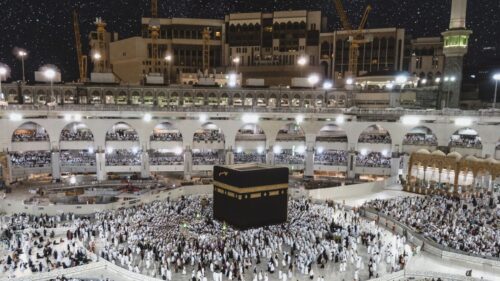


Laylat al-Qadr (Arabic: ليلة القدر), translated as the Night of Decree, Night of Power, or Night of Destiny, is the night on which the Quran was first revealed to Prophet Muhammad ﷺ through the Angel Jibreel in the cave of Hira. Allah describes it in Surah al-Qadr as “better than a thousand months” (Quran 97:3), meaning worship performed on this single night outweighs roughly 83 years of devotion.
This guide answers the questions Muslims most often ask about Laylat al-Qadr: what it means linguistically, when it falls within the last ten nights of Ramadan, why it carries such enormous reward, the signs reported in authentic hadith, the specific dua the Prophet ﷺ taught his wife ʾAisha (RA), how to structure your worship, and why Allah deliberately concealed the exact night from us.
What Is Laylat al-Qadr? (Meaning of “Qadr”)
Laylat al-Qadr (ليلة القدر) literally means “the Night of Qadr.” Classical scholars including Imam al-Nawawi note that the word Qadr carries three connected meanings in this context: decree (Allah’s decisions for the coming year are delivered to the angels), power (it is the night the most powerful book in human history was first revealed), and measure (the immense worth of the night exceeds normal measure). All three meanings are reinforced by the surah named after it.
Allah dedicates an entire five-verse surah to this night. In Surah al-Qadr (Quran 97:1-5) He says: “Indeed, We sent the Quran down during the Night of Decree. And what can make you know what is the Night of Decree? The Night of Decree is better than a thousand months. The angels and the Spirit descend therein by permission of their Lord for every matter. Peace it is until the emergence of dawn.” The “Spirit” referenced in verse 4 is understood by the majority of mufassirun to be the Angel Jibreel.
A second Quranic passage describes the same night without naming it. In Surah ad-Dukhan (Quran 44:3-4) Allah says: “Indeed, We sent it down during a blessed night. Indeed, We were to warn mankind. On that night every precise matter is made distinct.” This cross-reference is what scholars use to argue that Laylat al-Qadr is not only a night of reward but also the night on which Allah’s decrees for the year ahead are formally communicated.
Key takeaways:
- “Qadr” carries three meanings — decree, power, and measure — all attested in Surah al-Qadr and Surah ad-Dukhan 44:3-4.
- It falls in the last 10 nights of Ramadan, most likely on an odd night; the 27th has the strongest single-night narration (Sahih Muslim 762c).
- Worship on this night outweighs roughly 83 years of devotion (≈1,000 months), per Quran 97:3.
- The authentic dua, taught by the Prophet ﷺ to ʾAisha (RA), is: Allahumma innaka ʾafuwwun, tuhibbul-ʾafwa, faʾfu ʾanni (Jami’ at-Tirmidhi 3513).
When Is Laylat al-Qadr? (Last 10 Nights & the 27th)
The Prophet ﷺ instructed believers to seek Laylat al-Qadr in the odd nights of the last ten of Ramadan — that is, the night of the 21st, 23rd, 25th, 27th, or 29th. ʾAisha (RA) narrated: “Search for the Night of Decree in the odd nights among the last ten nights of Ramadan.” This narration is recorded in both Sahih al-Bukhari 2017 and Sahih Muslim 1169, giving it the highest possible authenticity grade (muttafaqun ʾalayh).
The strongest single-night narration points to the 27th of Ramadan. The companion Ubayy ibn Kaʾb (RA) swore by Allah that Laylat al-Qadr is the 27th, citing signs he had personally observed (Sahih Muslim 762c). This is why most Sunni scholars and communities treat the 27th as the most likely night — but the majority view is that it is most likely the 27th, not exclusively the 27th. Imams Ahmad and ash-Shafiʾi both held that the night moves between the odd nights from year to year.
For the recent year: Ramadan 1447 AH ran from 17 February to 19 March 2026, so the 27th night fell on Sunday 15 → Monday 16 March 2026. Looking ahead, Ramadan 1448 AH is expected to begin around 8 February 2027, which would place the 27th night near Friday 5 → Saturday 6 March 2027 — exact start dependent on local moonsighting. Within Shia tradition the 23rd night carries greater emphasis, though both fall inside the same authentic ten-night window.
Why It Is “Better Than a Thousand Months”
The phrase “better than a thousand months” comes directly from Surah al-Qadr verse 3 and is the central reason this night is treated as the most valuable in the Islamic calendar. A thousand months works out to roughly 83 years and 4 months — longer than the lifespan of most people. One night of sincere worship on Laylat al-Qadr is therefore rewarded as more than a full lifetime of devotion outside it.
Related:


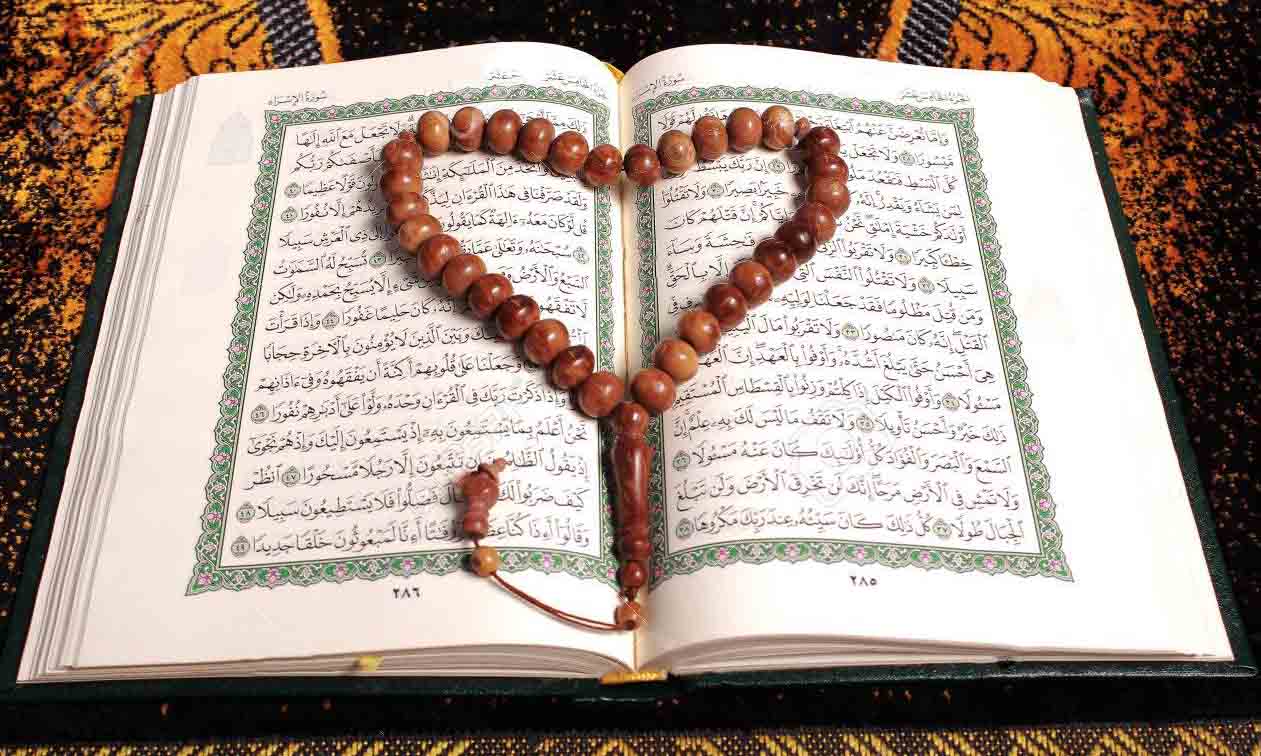
The reward is not symbolic. The Prophet ﷺ said: “Whoever stands (in prayer) on Laylat al-Qadr out of faith and seeking reward, his previous sins are forgiven” (Sahih al-Bukhari 2014). For an adult who may have decades of minor sins accumulated, a single night of sincere qiyam can wipe the slate clean — an opportunity that has no parallel anywhere else in the Islamic year.
What is decreed on this night is the second layer of its value. Surah ad-Dukhan 44:4 specifies that “on that night every precise matter is made distinct”. Classical commentators including Ibn ʾAbbas (RA) explain that the affairs of the coming year — sustenance (rizq), lifespans (ajal), births, deaths, and decrees — are delivered from the Preserved Tablet to the angels for execution. Sincere dua on this night intersects with that decree.
Signs of Laylat al-Qadr
Authentic hadith describe a small number of observable signs of Laylat al-Qadr. The most-cited is the appearance of the sun the following morning: the Prophet ﷺ described it as rising “white and without piercing rays, like a bowl” (Sahih Muslim 762a). Notice this is a morning-after sign — you typically confirm which night was Laylat al-Qadr only after it has passed, not during it.
- The night is calm and tranquil — neither hot nor cold, with a settled atmosphere.
- The sun rises without sharp rays the next morning, bright but soft (Sahih Muslim 762a).
- Believers often report a deep sense of peace and ease in worship, mirroring Quran 97:5 (“Peace it is until the emergence of dawn”).
- Increased presence of angels on earth (Quran 97:4) — not directly visible, but referenced as a state of the night itself.
One important clarification: the reward of Laylat al-Qadr is not contingent on perceiving the signs. Scholars across the four madhhabs emphasise that a believer who stands the entire night in sincere worship receives the full reward whether or not they consciously detect the signs. The signs are indicators, not requirements — which is why the safer practice is to revive every odd night of the last ten.
The Authentic Dua of Laylat al-Qadr
The single most authentic dua for Laylat al-Qadr was taught by the Prophet ﷺ to his wife ʾAisha (RA) and is recorded in Jami’ at-Tirmidhi 3513 with a grading of hasan sahih. ʾAisha asked: “O Messenger of Allah, if I know which night is the Night of Decree, what should I say in it?” He ﷺ replied with a short, specific supplication focused entirely on seeking forgiveness.
Arabic: اللَّهُمَّ إِنَّكَ عَفُوٌّ تُحِبُّ الْعَفْوَ فَاعْفُ عَنِّي
Transliteration: Allahumma innaka ʾafuwwun, tuhibbul-ʾafwa, faʾfu ʾanni.
Translation: “O Allah, You are Most Forgiving, and You love forgiveness, so forgive me.”
The choice of this dua is intentional. The Prophet ﷺ did not teach ʾAisha to ask for wealth, status, or specific outcomes — he directed her to ask for ʾafw: divine pardon that wipes the record clean. Recite this dua repeatedly throughout the night, particularly during qiyam al-layl, between rakahs, in sujood, and during the last third of the night. Many scholars recommend memorising it before Ramadan so it can be repeated effortlessly during long periods of worship.
How to Spend the Night (Practical Worship)
ʾAisha (RA) reported the Prophet’s ﷺ practice in the last ten nights: “When the last ten nights began, the Prophet would tighten his waist-belt (i.e., exert himself in worship), stay awake at night, and wake his family” (Sahih al-Bukhari 2024). The phrase tightening the waist-belt is understood by the commentators as both a literal preparation for sustained standing and a metaphor for stepping away from worldly distractions for the duration of the ten nights.
- Qiyam al-layl (night prayer) — pray taraweeh and tahajjud with long recitation. Even four to eight rakahs of focused prayer is more valuable than a quick token.
- Quran recitation — the night the Quran was revealed is the ideal night to read it. Aim for at least one full juz, ideally including Surah al-Qadr.
- Sincere tawbah and istighfar — list specific sins, repent for them individually, and resolve not to return to them.
- The ʾafuwwun dua — recite Allahumma innaka ʾafuwwun in long repeated cycles, in sujood and between prayers.
- Sadaqa (charity) — charity given on this single night is multiplied by the same factor (better than a thousand months). Schedule it before the night so it goes out at the right time.
- Iʾtikaf — secluding oneself in the mosque for the last ten days was a practice the Prophet ﷺ maintained every Ramadan until his death (Sahih al-Bukhari 2026). If full iʾtikaf is not possible, replicate its spirit by carving out a focused night at home.
Why the Exact Date Is Hidden
Allah deliberately did not disclose the exact night of Laylat al-Qadr, and the wisdom of that concealment is itself a subject of classical scholarship. The Prophet ﷺ once came out to inform the companions of the precise night but was distracted by two men quarrelling; when he returned, the knowledge of which specific night had been lifted from him as a mercy: “It was made to forget” (Sahih al-Bukhari 2023). The companions were told to seek it in the last ten instead.
Ibn Hajar al-ʾAsqalani and other commentators identify the wisdom: had the night been fixed, many believers would have limited their worship to that single night and slept through the rest of Ramadan. By keeping it hidden across all odd nights of the last ten, Allah maximises the worship of the entire ummah. Treating the 27th as the only night risks missing the actual one if it falls on the 25th or 29th in a given year — the strategy that matches the Prophet’s ﷺ practice is to revive every odd night of the last ten.
Frequently Asked Questions
Is Laylat al-Qadr always on the 27th night of Ramadan?
No. The 27th carries the strongest single-night narration (Ubayy ibn Kaʾb’s oath in Sahih Muslim 762c), which is why most Sunni communities focus on it — but the explicit Prophetic instruction is to seek it among all odd nights of the last ten (Sahih al-Bukhari 2017). Imams Ahmad and ash-Shafiʾi both held that the night moves from year to year. Relying only on the 27th risks missing the actual night.
Can you still benefit if you miss the exact night?
Yes — provided you sincerely worshipped on one of the odd nights of the last ten. The Prophet ﷺ said: “Whoever stands in prayer on Laylat al-Qadr out of faith and seeking reward, his previous sins are forgiven” (Sahih al-Bukhari 2014). Scholars apply this to anyone who sincerely revived the odd nights, even without conscious knowledge of which night it was. This is precisely why the Prophet ﷺ pushed his family to worship across the full ten nights.
When is Laylat al-Qadr in 2027?
Ramadan 1448 AH is expected to begin around 8 February 2027, subject to local moonsighting confirmation. The 27th night of Ramadan would then fall on Friday 5 → Saturday 6 March 2027. Because the actual night may be any odd night of the last ten, plan to worship intensively from the night of the 21st (≈27 Feb → 28 Feb 2027) through the night of the 29th (≈7 → 8 Mar 2027).
Can women observe Laylat al-Qadr during menstruation?
Yes. A menstruating woman is exempt from ritual prayer (salah) and fasting, but she can still earn the full reward of the night through other acts of worship: making dua, repeating Allahumma innaka ʾafuwwun, abundant dhikr and istighfar, giving charity, listening to Quran recitation, and reading Quran translation/tafsir. The exemption from salah does not remove her share of Laylat al-Qadr.
Is iʾtikaf required to catch Laylat al-Qadr?
No. Iʾtikaf (seclusion in the mosque for the last ten days) is a recommended sunnah muʾakkadah, not an obligation. The Prophet ﷺ maintained it every Ramadan, but many companions and their wives caught Laylat al-Qadr through focused worship at home. If your circumstances allow full iʾtikaf, take it; if not, replicate its spirit by clearing your nights, reducing screen time, and treating the last ten days as a worship retreat wherever you are.
What is actually decreed on Laylat al-Qadr?
According to Surah ad-Dukhan 44:4 (“On that night every precise matter is made distinct”) and the tafsir tradition reported from Ibn ʾAbbas (RA), the matters of the coming year — sustenance, lifespans, births, deaths, and decrees — are transmitted from the Preserved Tablet to the angels for execution. This is the theological reason scholars stress sincere dua on this night: it intersects with the formal handover of the year’s affairs.